|
|
|
|
|
|
|
|
|
|
| September 2, 2026 | |
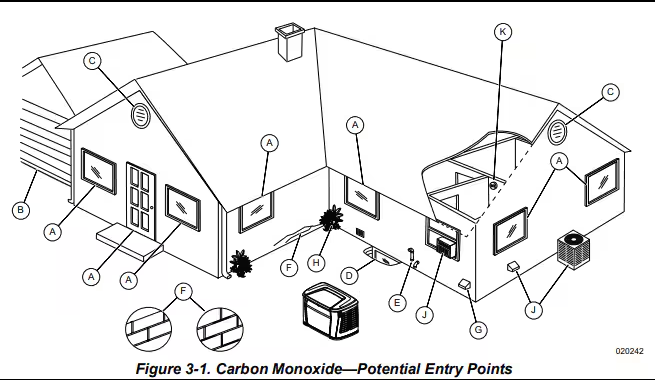
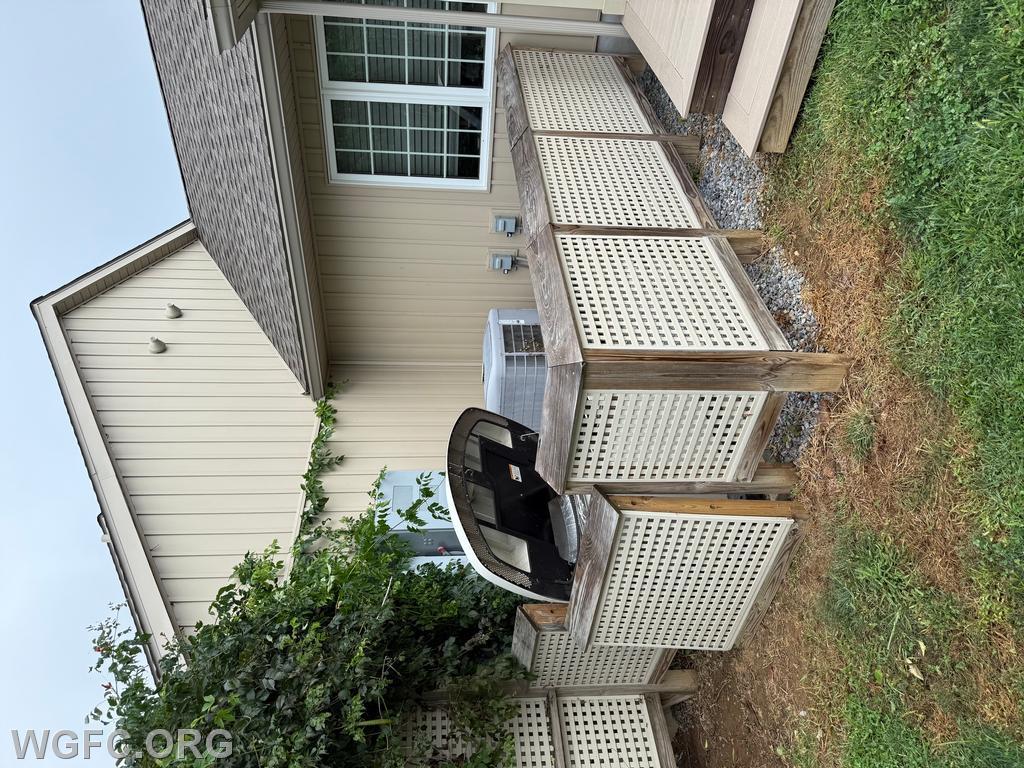
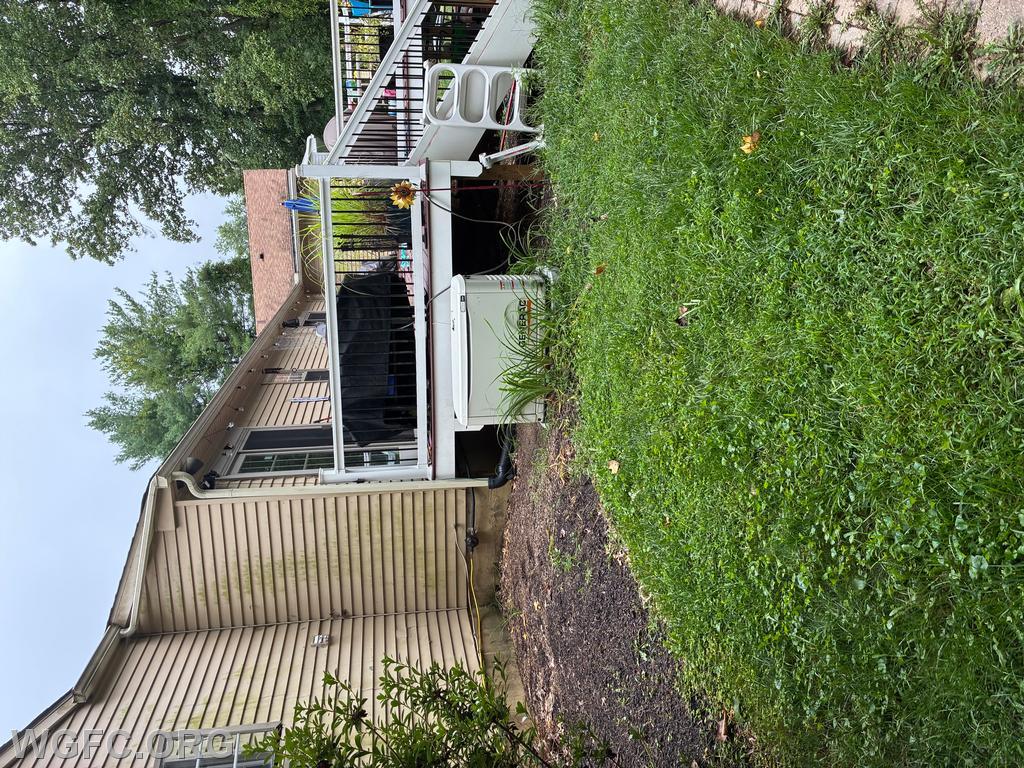
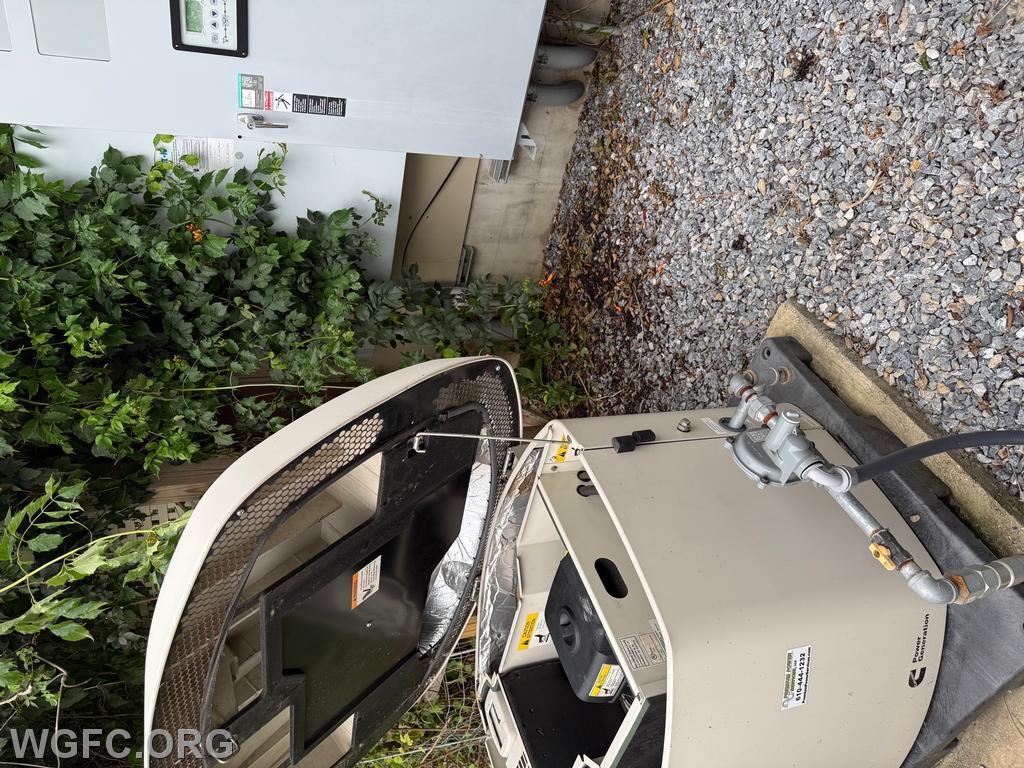
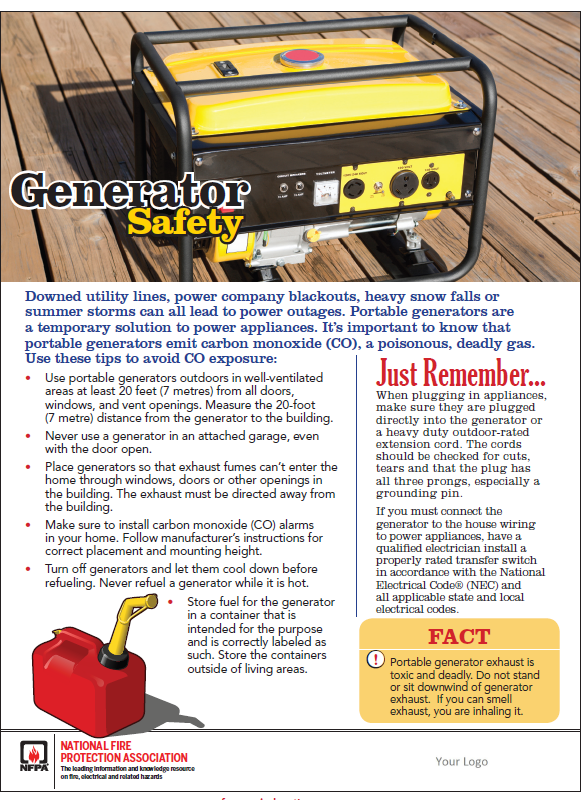
| Tuesday night's thunderstorms created power outages, wires down, and lightning strikes that kept the fire company busy at calls across our area, and into Delaware and Cecil Counties. With the extended power outage comes call for CO Alarms -- there were two of those calls simultaneously early Wednesday morning. These CO alarm calls are typically the result of exhaust from portable generators leaking into homes and setting off alarms. To be sure - exhaust from generators can be deadly as the Carbon Monoxide (CO) from a generator delivers as much CO as hundreds of automobiles...and CO is odorless and colorless which makes it very dangerous. Today's calls, however, were for whole house generators, permanently installed, and resulted from a combination of factors that resulted in CO getting into the homes. In these cases, wind direction and generator placement issues allowed CO to build up close enough to the homes to create issues inside. When WGFC units arrived at both calls, CO levels were detected inside. Today's easterly wind could also have been responsible for pushing exhaust back toward the homes. Homeowners should make sure that the exhaust from these generators is designed to move away from a home, and should never be located near windows, basement casement openings, or wall penetrations. Even soffit vents can be risky, as most generators are air-cooled and exhaust can be pushed some distance from the unit. A variety of home safety organizations provide tips on generator placement and use, for both portable and permanently-installed generators. Links to those sites can be found below and in the adjacent photos. In all cases, consult your generator installation and service professional on guidance for proper exhaust techniques for whole house generators. And assure that you have working CO detectors in our home (replace any detector older than 10 years since its manufacturing date) with fresh batteries. |
|
| Hyperlinks: | Generator Tips from Consumer Reports Guidance from the Consumer Product Safety Commission Installing Home Generator Advice |